Spotting trouble before it spreads
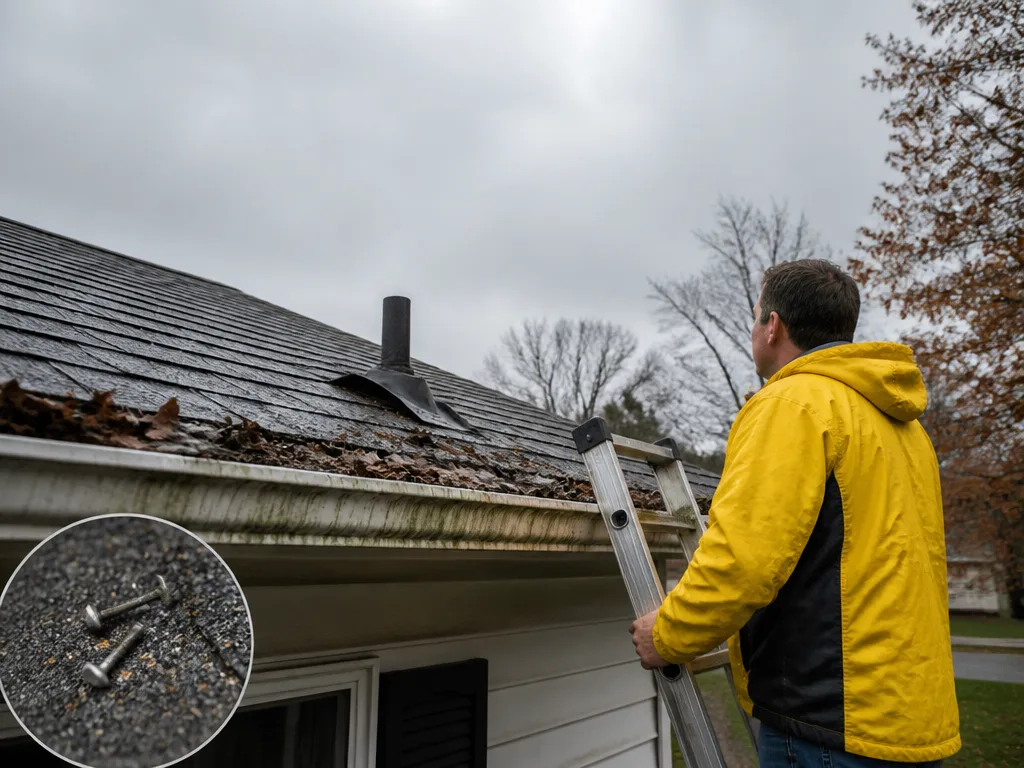
In Ohio, weather swings from hot summers to cold winters test roofs year round. A few warning signs show up early and give you time to plan. Look for shingles that are curling, cracking, or lacking granules. If you notice bald spots or areas that look darker after a rain, there could be underlying wear. Inside the attic, check for streaks or damp patches on the ceiling. Those signs point to possible roof leaks or ventilation problems that merit a closer look by a roofer.
Crews across Ohio see leaks often around skylights, chimneys, or dormers where flashing wears with time. Metal parts can corrode or loosen, creating a drip edge that lets water sneak in. If you find wet insulation or musty smells in the attic, that’s a signal to bring in a pro for an inspection. Ohio homeowners don’t need to wait for a storm to tell them something is off; small signs should prompt a careful check of the roof system.
Why these signs matter for Ohio homes
A roof in good shape protects your home from leaks, drafts, and heat loss. In Ohio, minor issues can grow quickly with freeze-thaw cycles and heavy spring rains. Addressing early indicators keeps interior damage from spreading and helps protect the rest of the structure. Our team at Ohio Gutter Cleaning focuses on identifying these signals during routine checks and planning practical next steps with homeowners across the state.
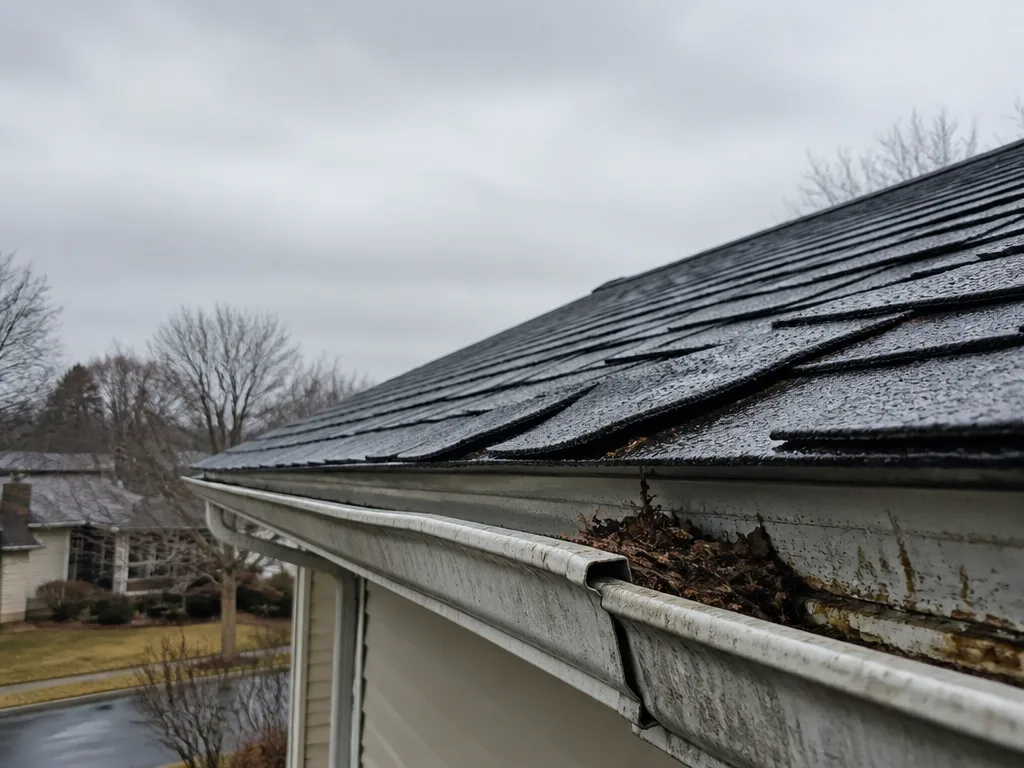
Keep an eye on gutters and downspouts as well. Clogged or leaking gutters can overflow and cause water to back up onto the roof, accelerating wear. In Ohio, where storms come through with varying intensity, proactive gutter maintenance is part of a thorough roof health plan. If you notice water marks on walls or ceilings after a rain, don’t wait to call a roofer for an onsite assessment.
What to do if you spot a warning sign
Document what you see with photos and note when you first observed it. Schedule a professional inspection with Ohio Gutter Cleaning so our crews in every Ohio metro can assess the roof, attic ventilation, flashing, and gutters. We’ll explain what needs attention, what can wait, and a practical plan for repairs or replacement if needed. A clear plan helps you budget and time the work with the seasons in mind.
Key indicators to note
- Shingles curling, cracking, or missing granules
- Dark stains or damp spots on ceilings or attic insulation
- Water marks along walls after rain
- Rust or loose flashing around peaks and chimneys